Dentrix IT support for dental practices in Buffalo and Rochester running Dentrix G-series or Dentrix Ascend. We look after the server, workstations, network, imaging and backups that Dentrix depends on, and we work alongside Henry Schein One support, not instead of it.
Sized against the current Henry Schein One specs for your version.
Backup first, update second, every operatory checked before morning.
Click from the Dentrix toolbar and the right patient opens.
Onsite and encrypted offsite copies, with regular test restores.
Henry Schein One supports the Dentrix software itself: licensing, program errors, data questions and how a feature is meant to work. What sits underneath Dentrix is usually left to the practice. That means the server, the workstations, the network, the imaging hardware and the backups, and that is the part we take on.
Most “Dentrix problems” a front desk reports turn out to be one of those underlying pieces: a workstation that lost its connection to the server, a Windows update that changed a setting, a sensor driver that stopped loading, or a server that ran out of disk space. We fix those directly. When something really is a Dentrix program issue, we open the ticket with Henry Schein One, give them the details they ask for and stay on until it is resolved, so your staff are not stuck relaying instructions between two support lines.
Server and workstation hardware, Windows, network and Wi-Fi, firewall, printers, imaging drivers and bridges, backups and security.
Dentrix software errors, licensing and registration, data corrections and feature training.
Version upgrades, server moves and anything that needs both sides on the call.
Dentrix support is one part of our wider dental IT support. We also support practices running Eaglesoft and Open Dental.
Dentrix G-series runs from a central server that holds the database and shared files, and every workstation connects to it over the office network. How well that server is built decides how fast Dentrix feels in every operatory.
Before we build or replace a server, we check the current Dentrix system requirements for the version you are running or upgrading to. Henry Schein One updates them with each release, so we never size a server from memory. Beyond the published minimums, we look at:
Solid-state drives in a redundant array, with room for years of growth in the database, images and documents.
A supported Windows Server edition rather than a desktop PC pressed into service. Whether Windows 10 or 11 can act as the server for a small office is a common question. The answer depends on your Dentrix version and office size, so we check it against the vendor's documentation each time.
A battery backup that can shut the server down cleanly, and a location that is not a hot closet.
Secure access for us and for Henry Schein One, without leaving remote desktop open to the internet.
Dentrix Ascend is different. It is cloud-based and runs in a web browser, so there is no Dentrix server in the office. Ascend practices still need reliable internet, a firewall, current browsers and working drivers for sensors and other devices, and we support all of that.
Dentrix updates change the database, so they need care. A rushed update on a busy morning can leave half the operatories on the old version and half on the new one. We plan updates so that does not happen:
Major version upgrades sometimes need new hardware or a newer version of Windows. We tell you well ahead of time, so an upgrade does not turn into an emergency server purchase. If the server itself is due for replacement, see how we run a dental server migration from assessment to after-hours cutover.
Confirm the update is supported on your server and workstation operating systems.
Take a fresh backup of the Dentrix database and confirm it completed before anything changes.
Run the update on the server after hours, then update each workstation.
Open Dentrix on every workstation, check the Chart, Ledger, Appointment Book and imaging bridge, and note anything odd for the morning huddle.
Slowness is rarely Dentrix itself. When one or two operatories lag and the rest are fine, the cause is usually on that machine or its connection: an old hard drive, too little memory, a damaged network cable, a Wi-Fi connection where there should be a wired one, or antivirus software scanning the Dentrix data on every read.
When it is slow everywhere, we look at the server and the network: disk health and free space, a switch that is dropping packets, or a backup job running in the middle of the day. Our network management service watches these continuously, so we can usually point to the cause instead of guessing. For a quick baseline, our free computer speed test checks resources, disk space and startup programs on the machines that feel slow.
The usual fixes are not glamorous: replace the spinning hard drive in an old operatory PC with a solid-state drive, add memory, move a workstation from Wi-Fi to a wired drop, set the right antivirus exclusions, and move backups out of business hours. They work.
Dentrix connects to imaging software through bridges: a link that opens the right patient in the imaging program when you click from the Dentrix toolbar. Bridges break more often than people expect, usually after a Dentrix update, after an imaging software update, or when a workstation is replaced and the bridge was never set up on the new one.
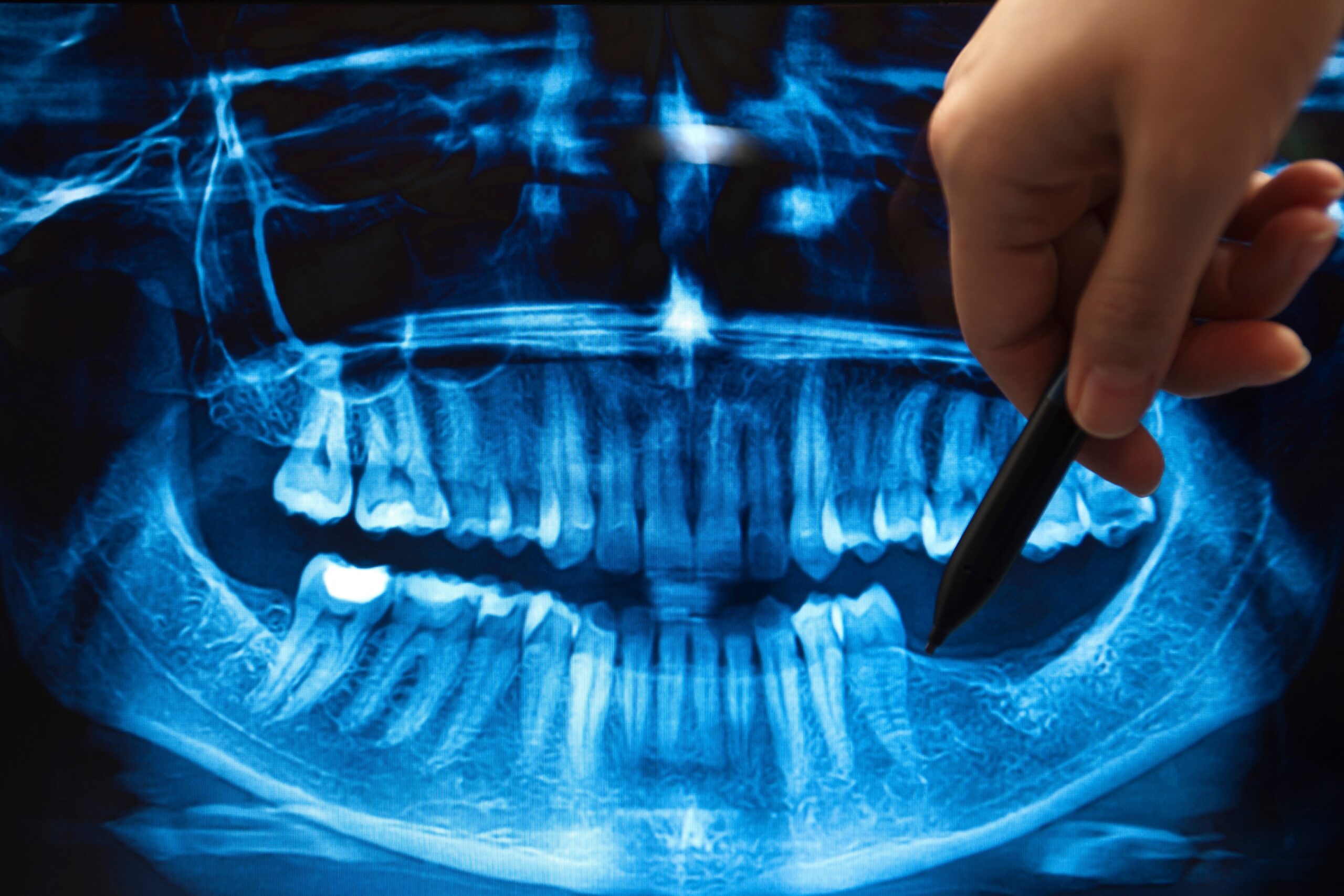
We set up and test the bridge on every operatory, keep sensor and pano drivers current, and make sure intraoral cameras, signature pads and card scanners load on the machines that use them. Our dental imaging IT support page covers sensors, pano units and 3D imaging in more detail.
A backup that has never been restored is a guess. A live database cannot simply be copied while Dentrix is using it, so the backup has to use a method that produces a consistent copy, and it has to include the images and documents stored alongside the database.
Our approach for Dentrix offices follows the same rules as our healthcare data backups service:
That routine also gives you documentation you can show during a HIPAA risk assessment.
No. Henry Schein One remains your support for the Dentrix software. We take care of the hardware, network, Windows, imaging and backups underneath it, and we coordinate with Henry Schein One when an issue needs both of us.
Yes. Ascend runs in a web browser, so there is no Dentrix server in your office, but you still need dependable internet, secure workstations, current browsers and working drivers for sensors and other devices. We support all of those.
It depends on your Dentrix version and the size of your office. Henry Schein One publishes the supported server operating systems for each release, and we check that list before recommending anything. For most offices we recommend a Windows Server build.
After hours, with a completed backup first. We update the server, then each workstation, and open Dentrix on every machine to check the main modules and imaging bridge before your team arrives.
Usually because of that computer or its connection: an old hard drive, low memory, a bad cable, Wi-Fi instead of a wired connection, or antivirus scanning the Dentrix data. We test each of those before blaming the server.
Schedule a free remote or on-site IT consult. Tell us about your business and the services you need – response times are typically under three hours.